Good bread,
better days.
Sourdough experiments, fermentation notes, and baked goods from Germany.
Explore the dept. →
The Brotokoll
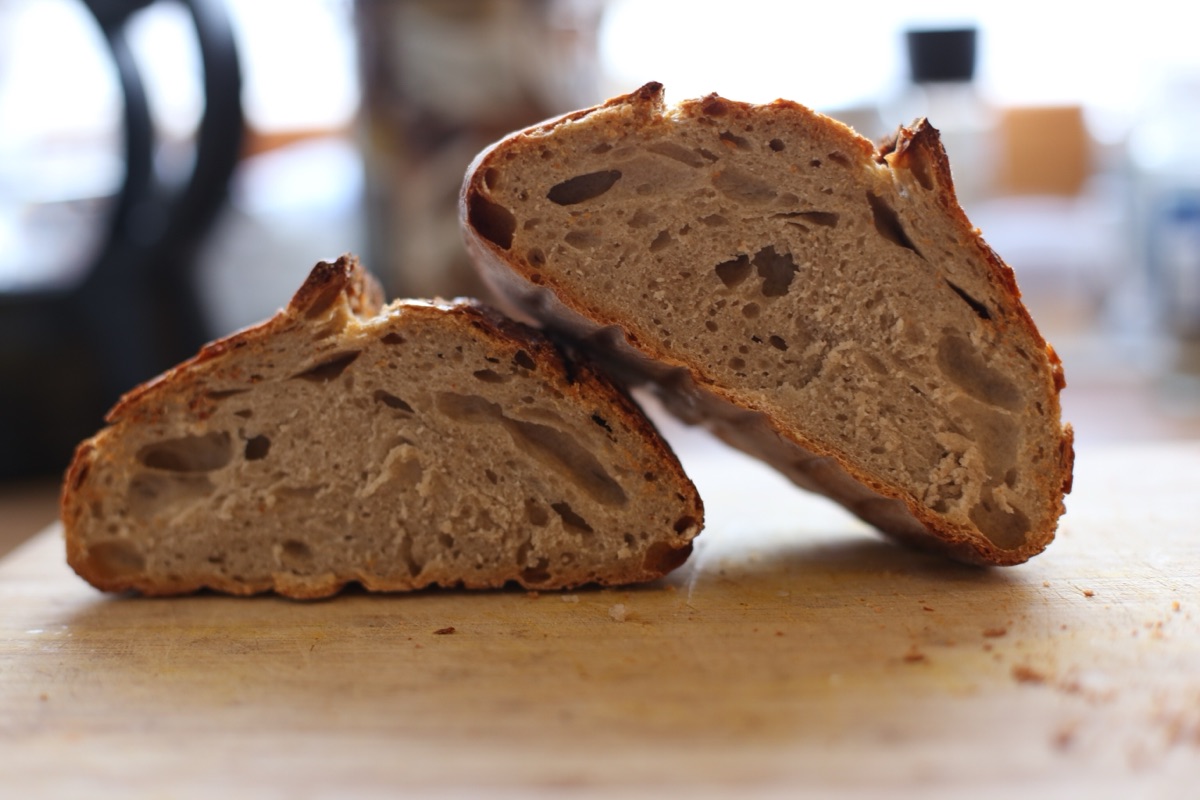
My sourdough notebook, translated from German. Brotokoll is a pun: Brot (bread) + Protokoll (log). Seven logged bakes between June 2018 and August 2020, each one scored and adjusted. Loaves #4 and #7 came out best, and the recipe here is built on them.
A little bit of flour. A lot of patience.Meet the starter
The starter is a mixed one: 50% wheat flour (Type 550, "strong") and 50% rye flour (Type 1150). The first one was called Wido; the 2020 bakes used its successor, Fiete.
Feed it about 4 hours before you start mixing, so it's active and bubbly. You need 200 g of freshly fed starter per loaf.
Start your own
Mix 50 g of flour (25 g Type 550 wheat and 25 g Type 1150 rye) with 50 g of lukewarm water in a big clean jar. Cover it loosely and leave it somewhere warm, ideally 24–26°C. For the first one to two weeks, feed it every day. Nothing gets thrown away: just stir in a few tablespoons of the flour mix and a splash of water, enough to keep it like a thick batter. After 5–7 days it should start to bubble and smell pleasantly sour. It's ready to bake with once it reliably doubles within 4–8 hours of a feed.
After that it needs much less attention. Baking keeps the amount in check, since each loaf takes 200 g. In the fridge, feed it a few tablespoons about once a week; take it out the day before you bake and feed it once or twice to wake it up. A cool, dark cabinet works too, but then it needs feeding every day or two.
Give it a name. It helps on the days it sulks.- TYPE 550 WHEAT
- Strong white / bread flour
- TYPE 997 RYE
- Light rye flour
- TYPE 1150 RYE
- Medium rye flour
- RÖMERTOPF
- Unglazed clay baker with lid. Soak it in water before use.
- GÄRKORB
- Proofing basket (banneton)
Ingredients
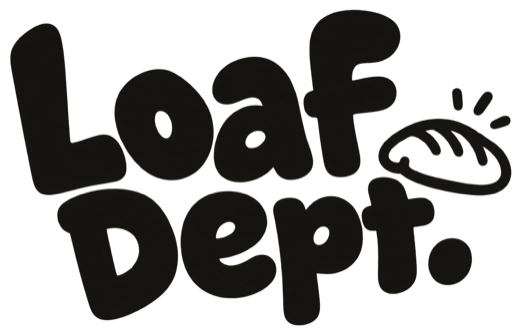 House loaf
after #4 & #7
#4 blend: more light rye. Airier, with big holes and a great chew, but milder in flavour (taste 7.5).
Step by step
- DAY ONE
- DAY TWO
Plan your two days
Slow dough, good company.Fridge time with these settings: about 13 hours.
What went wrong, and what fixed it
Seven bakes, scored 1–10
| BAKE | LOOK | CRUMB | CHEW | TASTE |
|---|---|---|---|---|
| #1 · Type 405 wheat | 7.8 | 6.0 | 6.2 | 8.7 |
| #2 · Type 550, wet hands | 8.0 | 7.5 | 7.9 | 8.7 |
| #3 · light rye only | 8.0 | 8.9 | 8.5 | 7.0 |
| #4 · rye 70 light / 30 medium | 8.0 | 8.9 | 8.5 | 7.5 |
| #5 · basket in the cellar | 7.9 | 7.3 | 7.3 | 8.7 |
| #6a · real basket | 6.9 | 6.5 | 7.0 | 8.6 |
| #6b · tea-towel basket, fridge | 8.1 | 8.7 | 8.6 | 8.2 |
| #7 · rye 30 light / 70 medium | 8.4 | 8.6 | 8.6 | 8.4 |
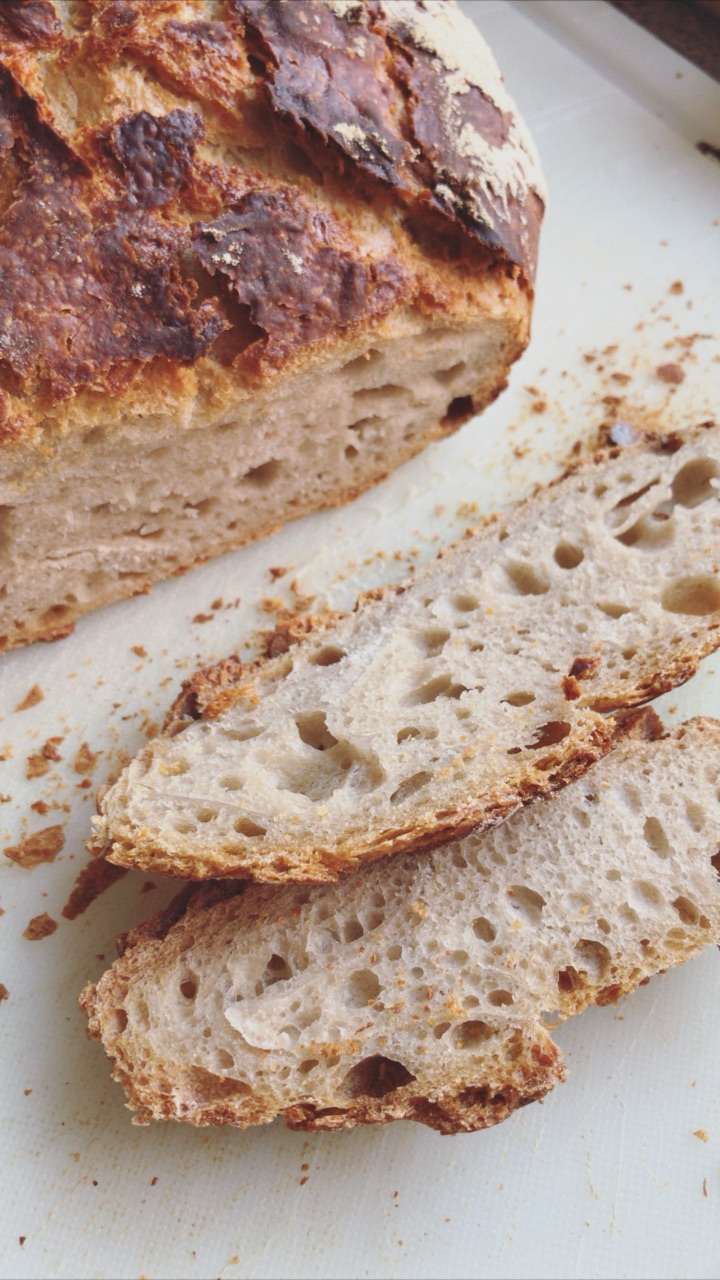
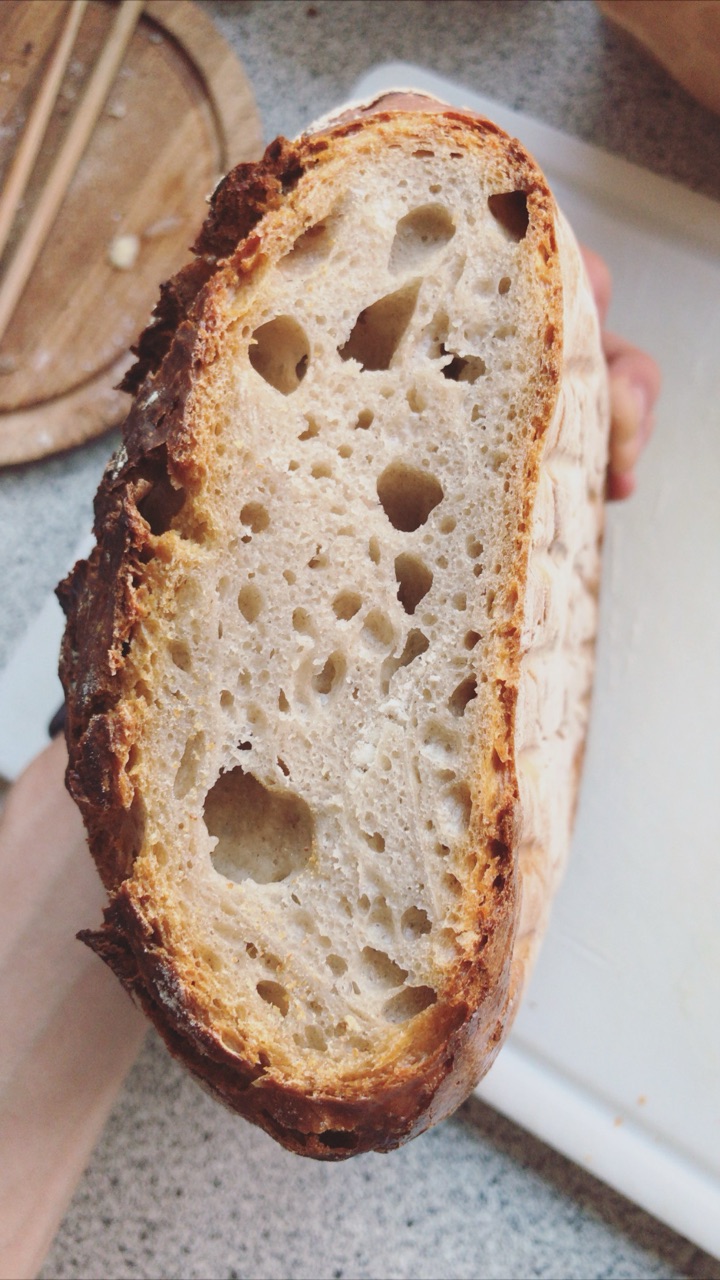
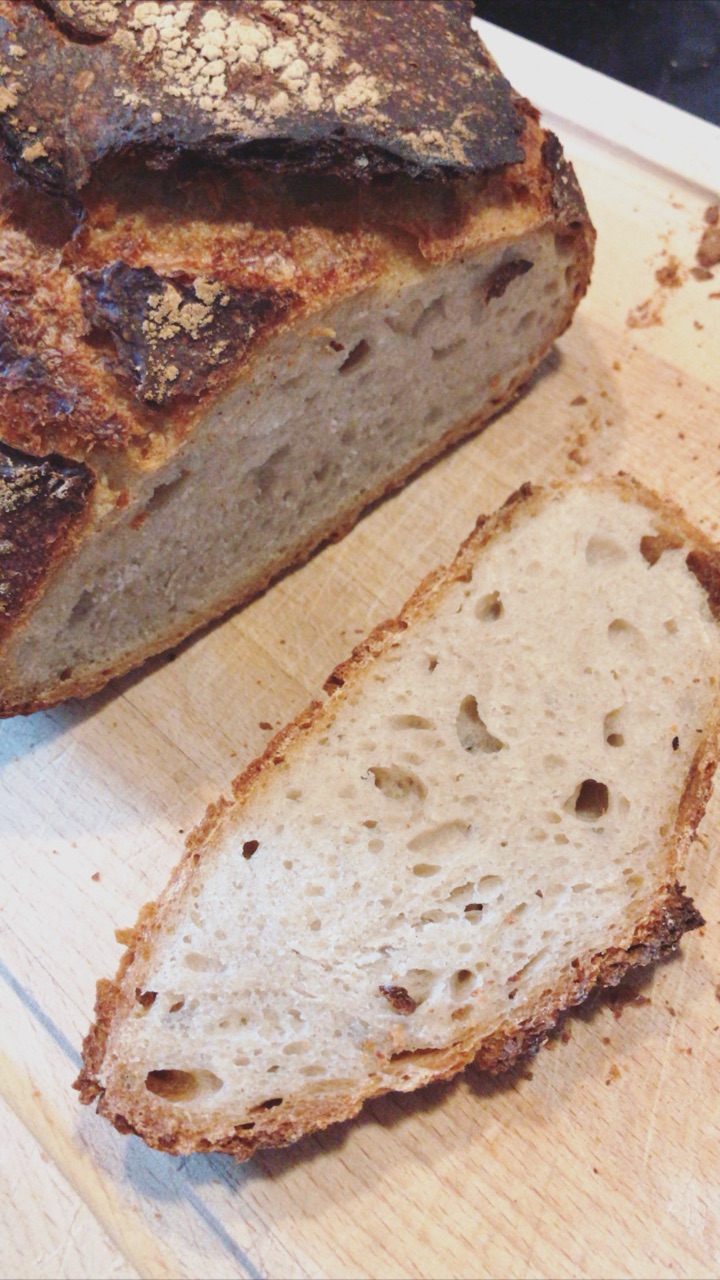
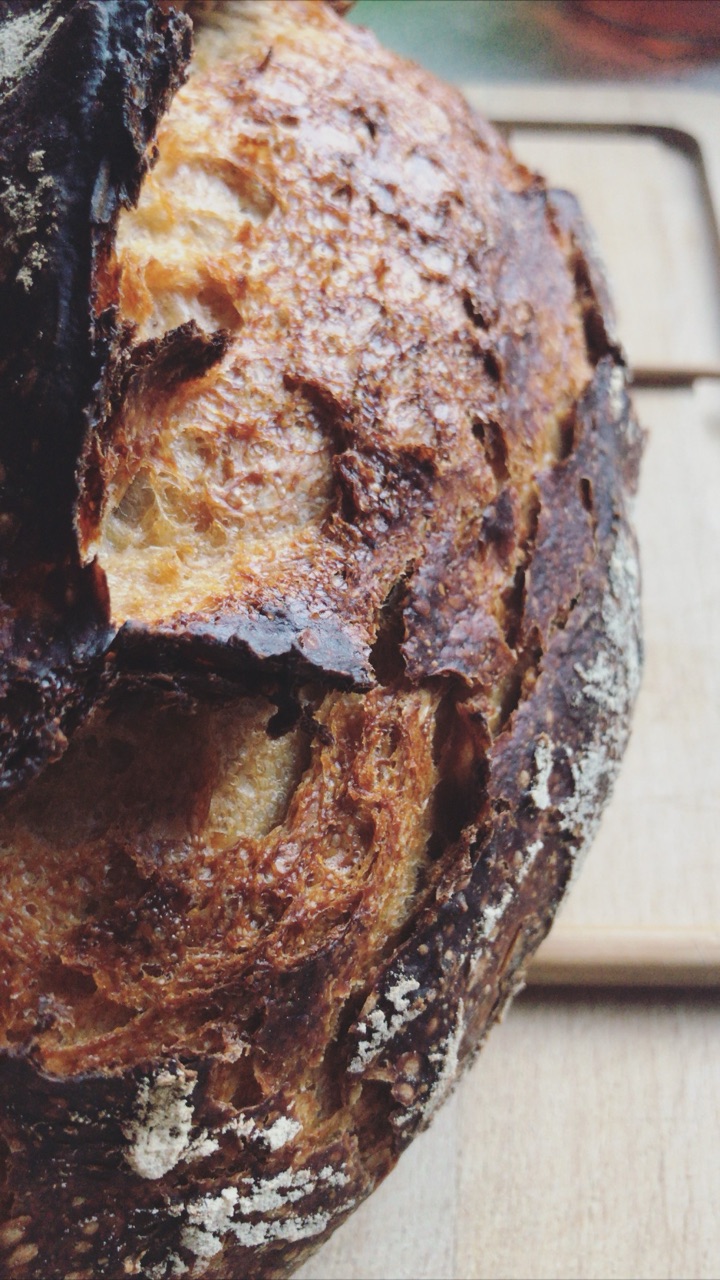
Crumb means density and airiness; chew is texture in the mouth. #4 kept a lovely chew for several days, with a crust "like crisps". #7 was golden brown, voluminous, and tasted malty.
Loaves #4 and #7
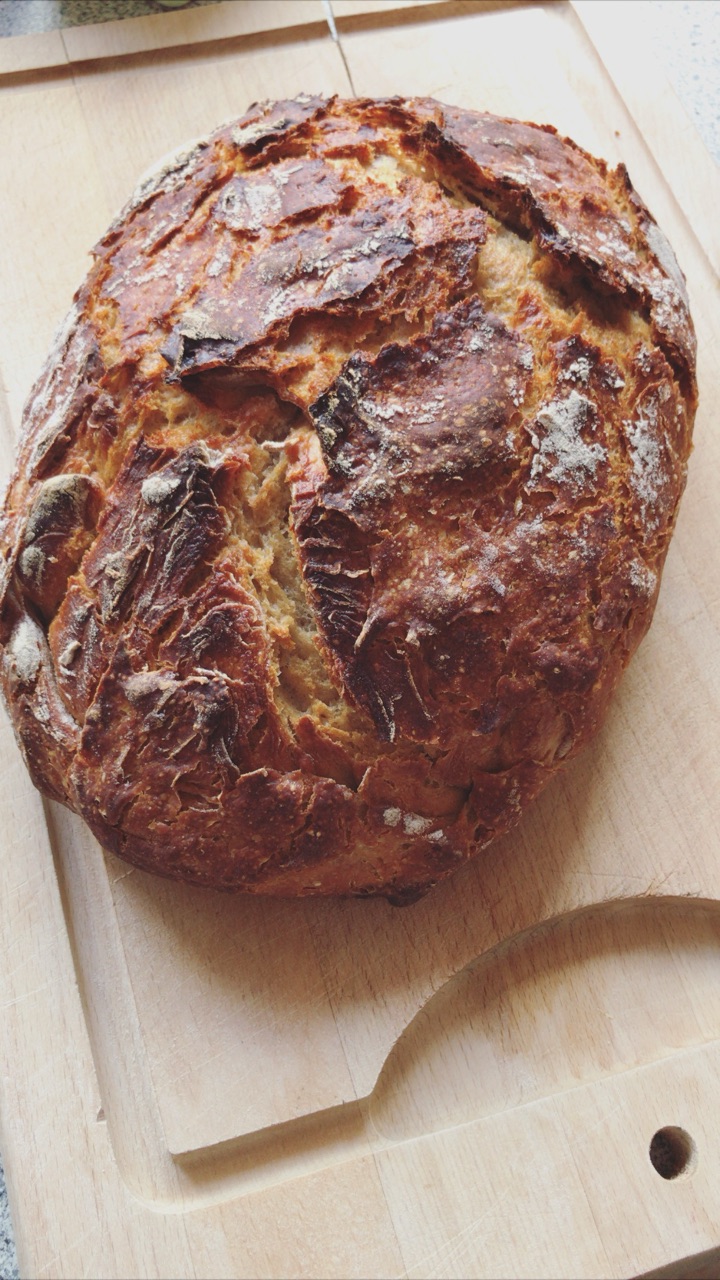

Good luck, Rob. Send me a photo of your first loaf.